
BASIC
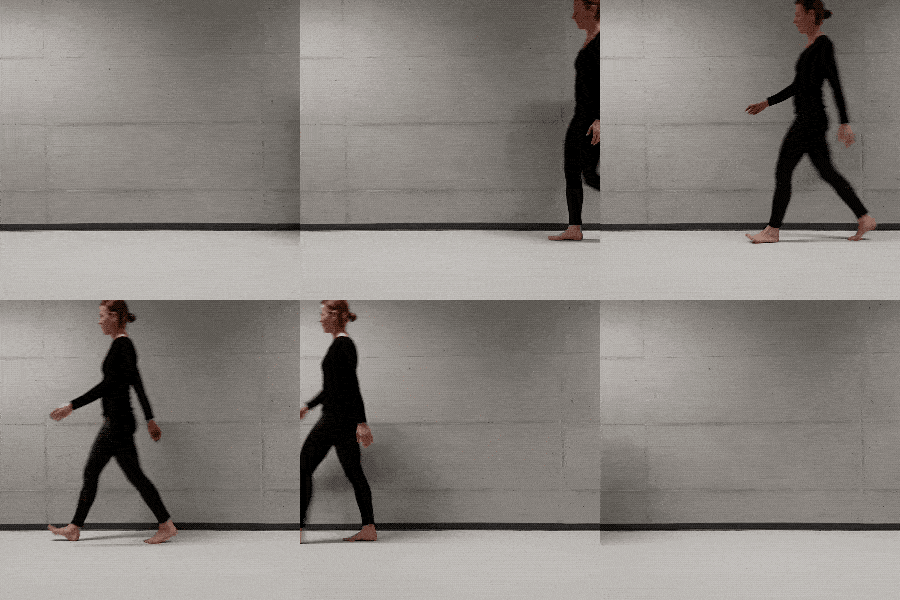
Normal Walking: Movement Patterns and Muscle Function
How We Move: Walking
Have you always wanted to understand the different aspects of normal walking and be able to interpret the graphs from a gait analysis? Then this course is just right for you.
Course Content
Thanks to new methods of gait analysis, such as musculoskeletal modeling, it is possible to better understand complex situations involving gait disorders. Reinald Brunner will share this knowledge with you in this course. By taking this course, you will deepen your understanding of gait analysis. You will be able to apply this knowledge to your clinical reasoning in the future.
Course Part 1 | Natural Gait Pattern
- Introduction to the Topic
- Ontogenesis of Walking
- Normal Walking & Gait Cycle
- Quick Knowledge Check
Course Part 2 | Instrumented Gait Analysis
- Instrumented Gait Analysis
- Kinematic, Kinetics, and Electromyography
- Biomechanics
- Quick Knowledge Check
Course Section 3 | Movement Planning and Muscular Control
- Motion Planning
- Muscular Control & Musculoskeletal Modeling
- Final Test
Course Part 4 | Final Test
All professional groups that deal with gait analysis, such as:
Physical therapists
Sports therapists
Physicians
Kinesiologists
Orthopedic technicians
150 minutes of study time
including handout
Available for 6 months from the date of booking
Meet the Teacher

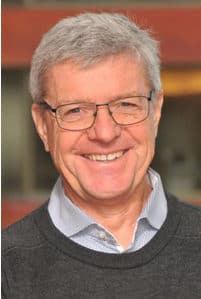
Prof. Dr. Reinald Brunner
He headed the Neuroorthopedics Department at the University Children's Hospital in Basel and its associated gait laboratory. "I consider it absolutely essential that we understand normal walking and muscular control. Only with this knowledge can we also understand the processes that occur in gait disorders. In describing normal walking, I have based my analysis not on the electromyogram—that is, muscle activity—but on muscle strength. This allows for a better assessment of the nature of muscle activity and its significance."
Informational Video on Gait Analysis
Continuing Education Credits
and
Certificate
For this course, you will receive the following continuing education credits
- German Association of Physical Therapy (ZVK): 2.5 points
- German Association for Health and Sports Therapy (DVGS): 4 class sessions
- Umbrella Organization for Medical-Technical Services (MTD): 4 class periods*
- Physioswiss: 2 points
- Pediatrics Switzerland: 2 CME credits
Upon completion of the course, you will automatically receive a personalized certificate that serves as proof of your continuing education.
* Our certificate of participation can be submitted to your professional association as part of an application for the MTD-CPD certificate.

