ESSENTIAL
Understanding and Applying the ICF
How many of the 300,000–600,000 words in our language that are available to us do we actually use in everyday life? That’s right—about 2,000 words account for 85% of spoken language.
The ICF is also a very complex work; it has over 1,400 categories alone. This is one reason why many therapists and doctors have not yet warmed up to the ICF and why it has not become established in their daily work, even though it has existed since 2001.
It's not worth memorizing the ICF—but it's definitely worth understanding it!
Course Content
The ICF, as a conceptual model, is an enormous help in our day-to-day work, and we don’t need to know every last detail of it to benefit from it. In this course, you’ll learn how the ICF is structured and why this model helps you understand the complex interrelationships involved in changes in health status.
Course Module 1 | Understanding and Applying the ICF
- The Description of the ICF
- The Bio-Psycho-Social Model
- ICF Knowledge Check
- Diagnosis and the ICF in Context
- Conceptual Model and Application
Course Part 2 | Final Test
Nurses
Physical Therapists
Occupational therapists
Sports Therapists
Doctors
Orthopedic Technicians
Educators
Neuropsychologists
60 minutes of study time
including handout
Available for 6 months from the date of booking
Meet the Teachers

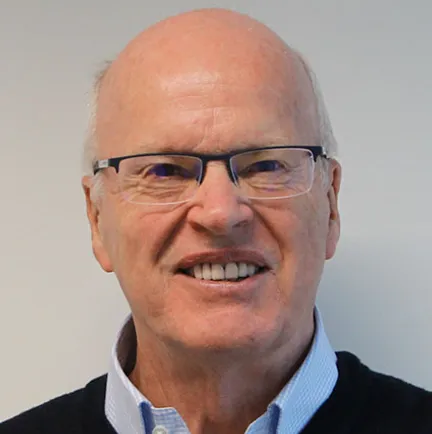
Beat Knecht, M.D.
From 1984 to 2010, Beat served as chief medical officer of what is now known as Kinder-Reha Schweiz, and during that time he played a key role in shaping and influencing pediatric rehabilitation. He participated with particular enthusiasm in the development, introduction, and implementation of the ICF for children and adolescents. For him, the ICF serves as a foundation and a guide for our current understanding of rehabilitation.
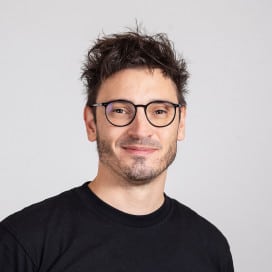
Jan Lieber, M.S.
As an occupational therapist, I use the ICF every workday. It shapes the way I think. As a result, it guides the planning and implementation of my treatments and therapeutic interventions—both as an occupational therapist and within interdisciplinary collaboration.
ICF Informational Video
Continuing Education Credits
and
Certificate
For this course, you will receive the following continuing education credits
- German Association of Occupational Therapists (DVE): 1 point
- German Association of Physical Therapy (ZVK): 1 point
- Umbrella Organization for Medical-Technical Services (MTD): 1 class period*
- Ergoverband Schweiz (EVS): 1 point
- physioswiss: 1 point
- Pediatrics Switzerland_ 1 CME credit
Upon completion of the course, you will automatically receive a personalized certificate that serves as proof of your continuing education.
* Our certificate of participation can be submitted to your professional association as part of an application for the MTD-CPD certificate.