EXPERT
crouch gait Understand & Treat
Walking is a given?
The development of walking is a highly complex process and depends, among other things, on biomechanics, body awareness, sensory perception, psychological security—and neurology. But what if one of these factors leads to the development of a stooped gait?
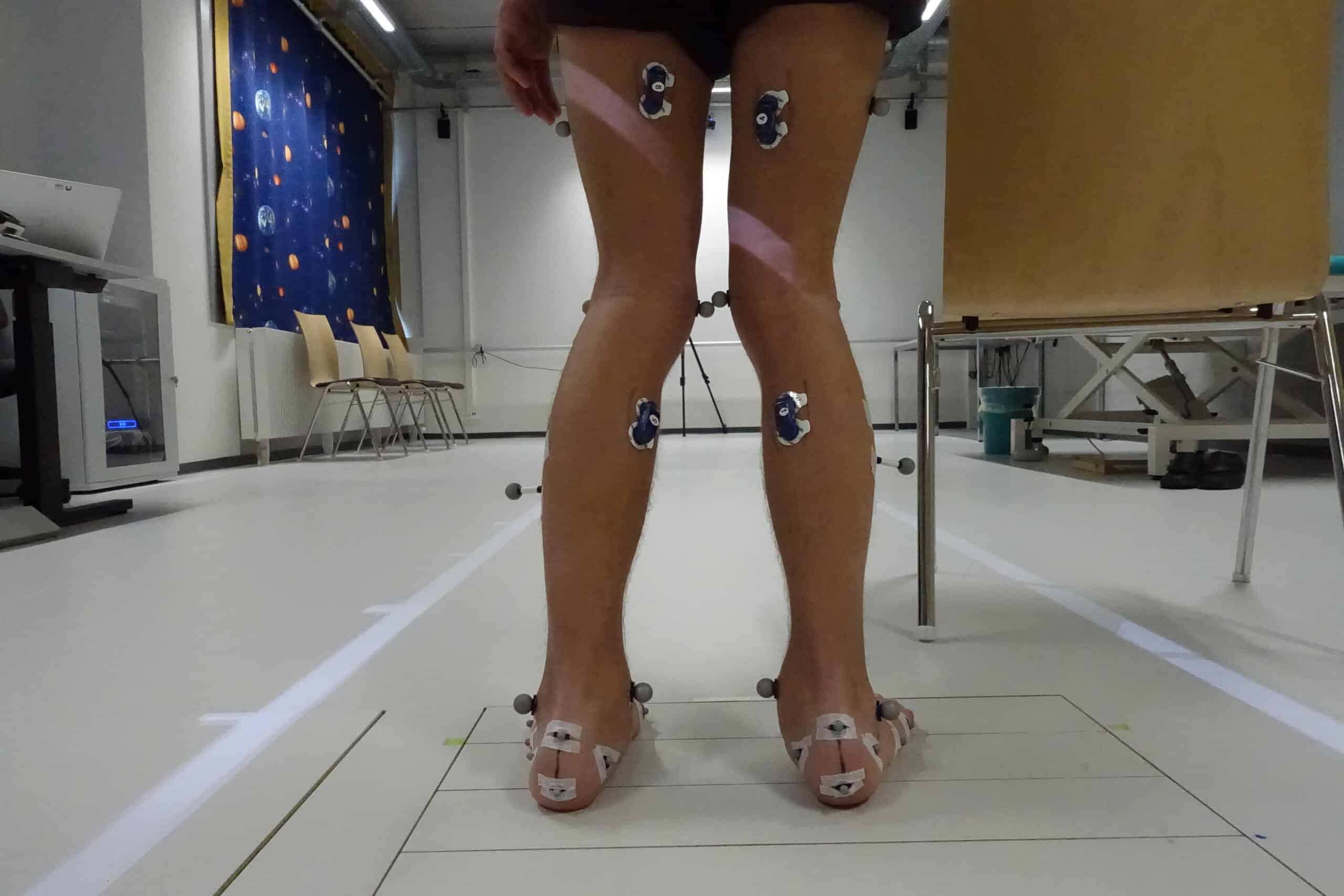
This digital course is designed for professionals who work with people with neurological diagnoses. It focuses on the “ crouch gait ”—a complex gait pattern that frequently occurs in neuromuscular disorders and significantly limits the independence of those affected.
Treating the crouch gait is considered particularly challenging: complete normalization is generally not achieved. This makes a thorough understanding of its origins and dynamics all the more important. Rather than focusing exclusively on visible symptoms, this course provides in-depth knowledge of the multifaceted causes of the crouch gait, including sensory factors.
This isn't just about biomechanical relationships, but also about factors that are difficult to measure and often hypothetical: How does a step feel when you don't dare to take it?
How do body awareness, sensory feedback, and psychological safety influence gait?
In this course, you will learn which factors can contribute to the development of a shuffling gait. You will gain practical insights into therapeutic approaches designed to specifically counteract this development, prevent further deterioration, and effectively advise and support your patients.
Course Content
- Introduction to the Topic
- Somatosensory Perception & crouch gait
- The Evolution of the Crouching Gait
- Treatment and Prevention of the Crouching Gait
- Final Test
This course is intended for anyone interested in gait analysis:
Physical Therapists
Sports Therapists
Doctors
Exercise and Health Scientists*
Orthopedic Technicians
120 minutes of study time
including handout
Available for 6 months from the date of booking
Meet the Teacher

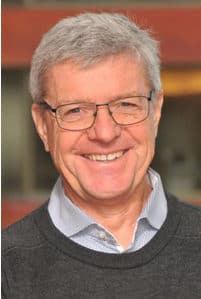
Prof. Reinald Brunner, M.D.
Prof. Reinald Brunner headed the Neuroorthopedics Department and the Gait Laboratory at the University Children’s Hospital of Both Basel and, for decades, shaped the clinical and scientific understanding of gait disorders in children. A particular focus of his work has been—and continues to be—gaining a deeper understanding of the crouch gait—a complex gait pattern that is often difficult to treat and severely limits the independence of patients with neuromuscular disorders. During his many years of research on this topic, it became clear that, in addition to biomechanical aspects, other factors—some of which are difficult or impossible to measure—must be included in the analysis of the causes, prevention, and treatment of the crouch gait. After all: “We only take one step at a time when we feel safe.”
Informational Video
crouch gait
Continuing Education Credits
and
Certificate
For this course, you will receive the following continuing education credits
- Association of Occupational Therapists (EVS): 2 class periods
- physioswiss: 2 class periods
- Occupational Therapy Association: 2 class periods
- Physical Therapy Association: 2 class periods
- German Association for Health-Related Sports and Sports Therapy (DVGS): 2 class periods
- Umbrella Organization for Medical-Technical Services (MTD): 2 class periods*
Upon completion of the course, you will automatically receive a personalized certificate that serves as proof of your continuing education.
* Our certificate of participation can be submitted to your professional association as part of an application for the MTD-CPD certificate.