Neuro-Centered Training—An Introduction

CHF 49

In this course, you’ll learn how the brain controls movement, pain, and performance—and how to apply this knowledge specifically to training, rehabilitation, and health promotion. Neuro-centered training helps you lower the nervous system’s stress level, reduce pain, and sustainably improve performance and self-regulation.

Teacher: Myrtha Nussbaumer of neuronuss

Contents:

  • Definitions
  • Input Systems
  • Basic Requirements & Mindset
  • Neuroplasticity & Training
  • Knowledge Check

Course language: German

Target audience:

  • Physical therapists
  • Occupational therapists
  • Sports Therapists
  • Kinesiologists
  • Doctors
  • Anyone interested in neuro-centered training

You'll need: a computer, laptop, or tablet

Study time: 90 minutes
Course duration: 6 months

ESSENTIAL

Neuro-Centered Training—An Introduction

How does the brain control movement, pain, and performance—and how can you apply this knowledge to training, therapy, or prevention?

In this digital course, you'll explore the key neurological principles underlying every movement, every sensation, and every performance adjustment.

Course Content

You’ll learn to apply neuro-centered methods in a targeted way: when coaching athletes, in rehabilitation following pain, fatigue, or concussion, and in prevention programs at schools or in companies.
The course shows you how the repeated and targeted activation of specific brain structures can lower the nervous system’s individual threat level—a key to relieving pain, improving movement, and enhancing performance.


Applied neurology takes a holistic view of the human being: it considers the interplay between perception, motor skills, cognition, and emotion. You’ll learn how these systems influence one another and how you can use them in everyday life, during training, or in therapeutic settings to initiate lasting change and strengthen self-regulation.

Contents

Physical Therapists 

Occupational therapists

Sports Therapists

Kinesiologists*

Doctors

Anyone interested in neuro-centered training

90 minutes of study time

including handout

Available for 6 months from the date of booking

Meet the Teacher

Myrtha Nussbaumer of neuronuss

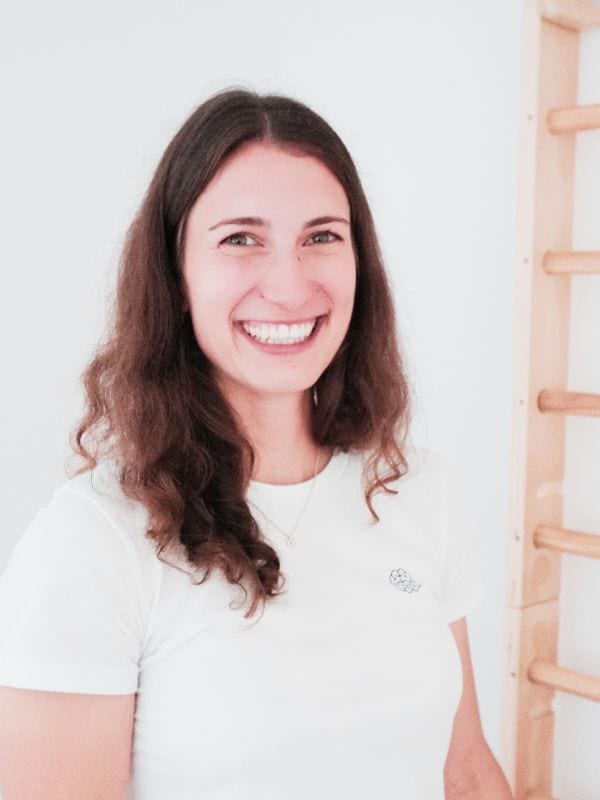
Myrtha Nussbaumer is a physical therapist with an MSc in Sports Physical Therapy and a coach specializing in vestibular vertigo therapy, neuro-centered training, and concussion management. She combines neuroscientific principles with practical, everyday rehabilitation and loves helping people reduce pain, build resilience, and better manage their daily lives. In addition to her work in youth elite sports, she is committed to sharing her knowledge and providing individualized coaching for complex rehabilitation processes. Neuronuss is a pioneer of neuro-centered training in Switzerland and combines applied neurology with performance, rehabilitation, and health promotion. The team works with athletes from ice hockey, floorball, and skiing, as well as people with concussions, chronic pain, Long COVID, and fatigue. Behind Neuronuss are Myrtha Nussbaumer, Luca Nussbaumer, and Christian Sidler—together, they bring expertise in physical therapy, sports science, coaching, and applied neurology.


Information Video: Neuro-Centered Training

Continuing Education Credits

and

Certificate

For this course, you will receive the following continuing education credits

  • German Association of Occupational Therapists (DVE): 2 points
  • German Association of Physical Therapy (ZVK): 2 points
  • Umbrella Organization for Medical-Technical Services (MTD): 2 class periods*
  • Ergoverband Schweiz (EVS): 1 point
  • Physioswiss: 1 point

Upon completion of the course, you will automatically receive a personalized certificate that serves as proof of your continuing education.

* Our certificate of participation can be submitted to your professional association as part of an application for the MTD-CPD certificate.

So, what are you waiting for?

Book the course now!

Overall Rating of All Courses

Comments

Bele on March 10, 2026
Great!
A practical introduction to neuro-centered training. Clear explanations and great examples of input, integration, and output. I learned a lot from it.
Shopping Cart
A walnut cut in half with the shell open, focusing on the brain structure.Neuro-Centered Training—An Introduction
CHF 49
Scroll to the top